
MEDIA
LIVE PERFORMANCES
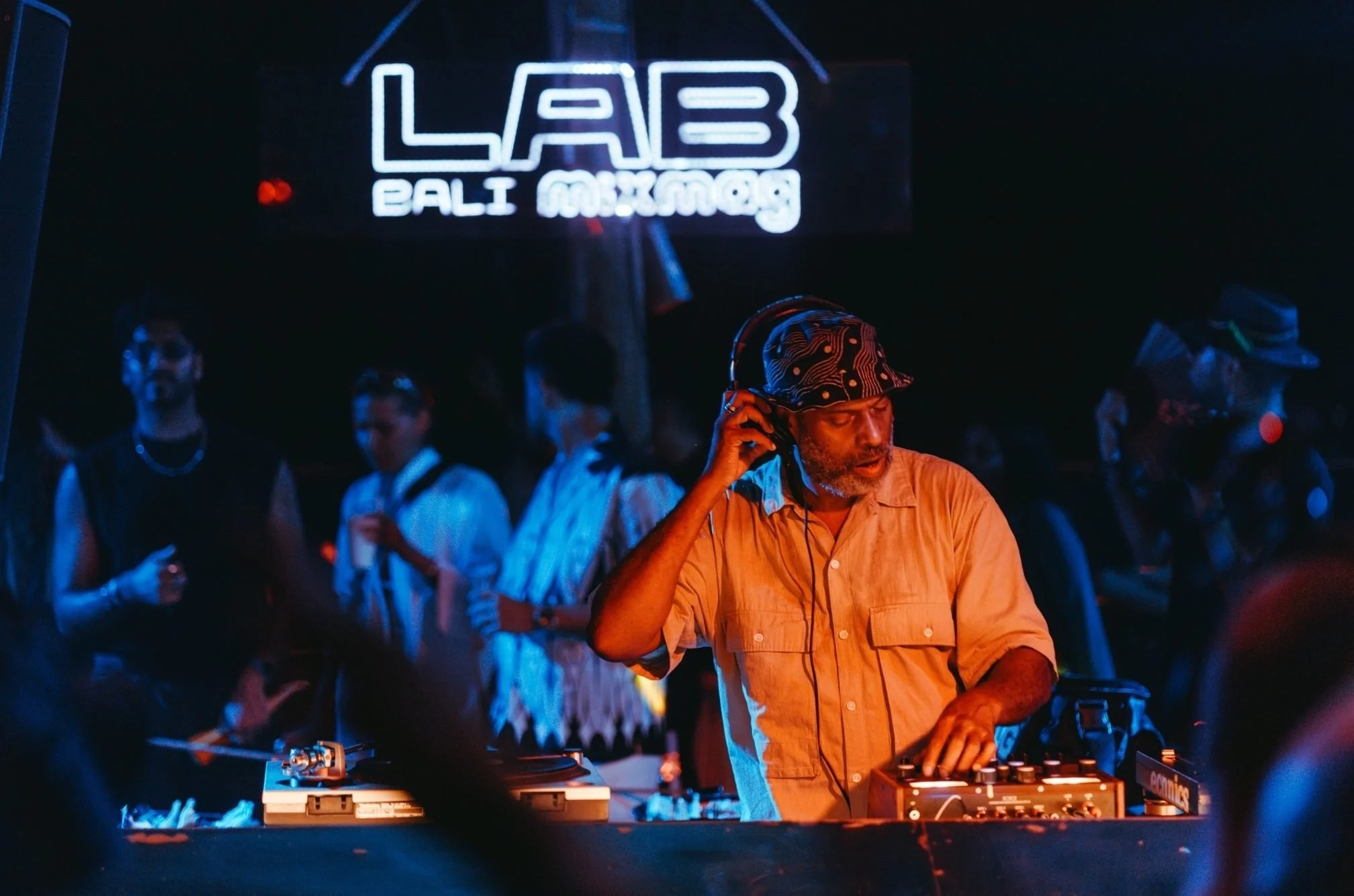
THEO PARRISH MIXMAGLAB BALI
A momentous day in Mixmag Lab history as we travel to Bali to step inside the sonic world of a true DJ visionary - Theo Parrish - who takes us on a sonic journey of the deep house, jazz, funk, soul and disco music spilling out of his record bags. The Mixmag Lab Bali is brought to you by Mixmag Asia and Mixmag Australia/NZ from La Brisa.
THEO PARRISH with MAURISSA ROSE
This is for you..
Theo Parrish
@ MC Theater Amsterdam
Live from the Booth recording in the dark: Theo Parrish @ MC Theater Amsterdam on King Shiloh Sound System Part 3 Listening to Brighter Days by Cajmere Shot on Nokia 808 PureView
FEATURES
Theo Parrish (Electronic Beats TV)
"Im not comfortable with convenience replacing artistry ..." - Theo Parrish
Atmosphere Project -THEO PARRISH ET TIJO AIMÉ
Soirée ATMOSPHERE du 30 novembre 2012
GUEST DJ: THEO PARRISH
DJ RESIDENT: TIJO AIMÉ
PLACE: DJOON
VIDEO: OREL1
Desa Dialogues | by Potato Head
Desa Dialogues Live: Sound Culture — An open talk with Theo Parrish on the roots of dance music, creative responsibility, and honouring the DJ craft.
Theo Parrish on house music, Chicago and his DJ legacy | RA Exchange
"It was so difficult to become someone." The house hero talks about Chicago's competitive scene, developing a sound and letting go of his ego.
Resident Advisor teamed up with London institution fabric to host Parrish for an eight-hour set—his first time playing the club. While he was in town, he also spoke with CDR's Tony Nwachukwu. In the Exchange, Parrish talks about the intensely competitive scene he grew up in. He DJ'd for 13 years before he was ever paid or had his name billed on a lineup. It took years of passion and hard work to break out of his local scene and build the career he's become known for.
"At five years, you're dealing with the technical part [of DJing], at ten it's finding your sound and at 15 it's dealing with the ego of it all," he says. "It's not until much later that you actually start to play for and with people." Parrish also reflects on the ongoing dearth of diversity in the dance music industry and posits whether some of the most popular music in the US—such as trap—reinforces counterproductive racial stereotypes.
He asks: did house music ultimately survive because it left where it originally came from?